
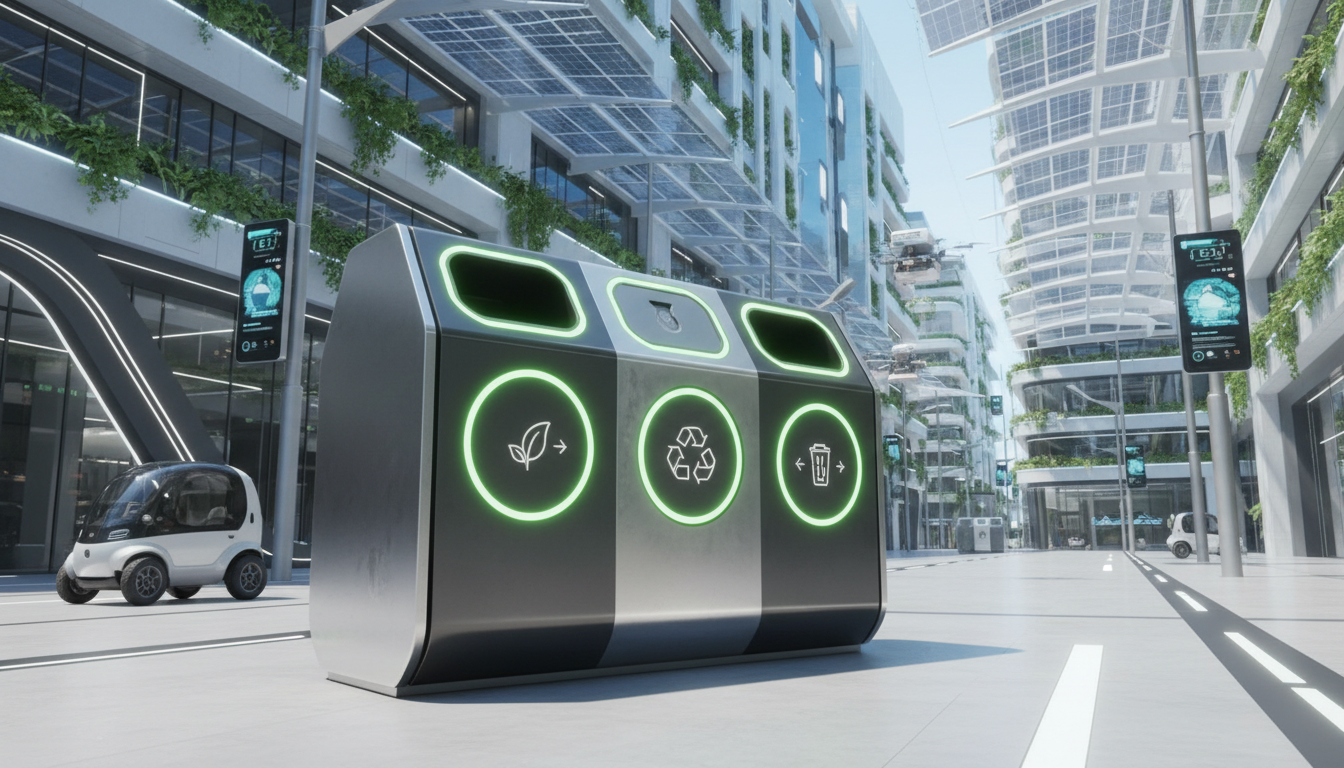
Across rapidly growing municipal centers, solid waste management remains one of the defining challenges of modern urbanization. While centralized landfills struggle under volume, a grassroots revolution is taking shape: community-driven segregation at source.
## The Problem with Unsegregated Waste
When organic kitchen waste mixes with recyclable plastics, dry paper, and hazardous e-waste, its value as a recyclable resource drops to zero. Landfills overflow with mixed heaps that produce harmful greenhouse gases and leachates.
> True sustainability is not achieved by more efficient landfills, but by eliminating the concept of waste itself. Segregation at source is the crucial first step.
## Community-Driven Solutions
By establishing localized compost centers and structured dry waste collection intervals, neighborhoods can divert up to 80% of their garbage away from municipal dumping grounds.

Measurable Impact
Numbers speak louder than promises. Through systematic implementation of community segregation frameworks, cities have begun reporting significant declines in heavy truck hauling expenditures and carbon output.
As we look towards the next phase of urban waste management, empowering local neighborhoods to take charge of their immediate footprint is not just a tactical alternative—it is the sustainable pathway forward.